
India is one of the world’s most biodiverse destinations, attracting millions of international travelers every year. But modern travelers are no longer satisfied with just sightseeing. They actively search for ethical wildlife experiences in India, responsible animal tourism, and cruelty-free travel activities.
Foreign tourists today prefer experiences that respect animals, support conservation, and involve local communities. This shift has transformed wildlife tourism across India, replacing entertainment-based attractions with authentic, ethical, and sustainable wildlife encounters.
At Elephant Village Amer, trust is built through genuine connection. It grows when travelers witness how elephants are cared for, how local communities actively participate, and how every experience creates a meaningful impact that extends far beyond the visit.
Why Trust Matters in Wildlife Tourism
Trust is the foundation of truly responsible wildlife travel. Today’s foreign tourists arrive informed and cautious drawn by the beauty of wildlife, yet aware of the risks of exploitation. This awareness has made travelers more intentional, seeking experiences that are transparent, ethical, and genuinely respectful of animals.
Ethical wildlife tourism builds that trust through openness and authenticity. When visitors can clearly see how animals are treated, how habitats are maintained, and how local communities are involved, uncertainty is replaced with confidence. This transparency allows travelers to engage more meaningfully, creating deeper connections and more memorable experiences.
What Are Ethical Wildlife Experiences in India?
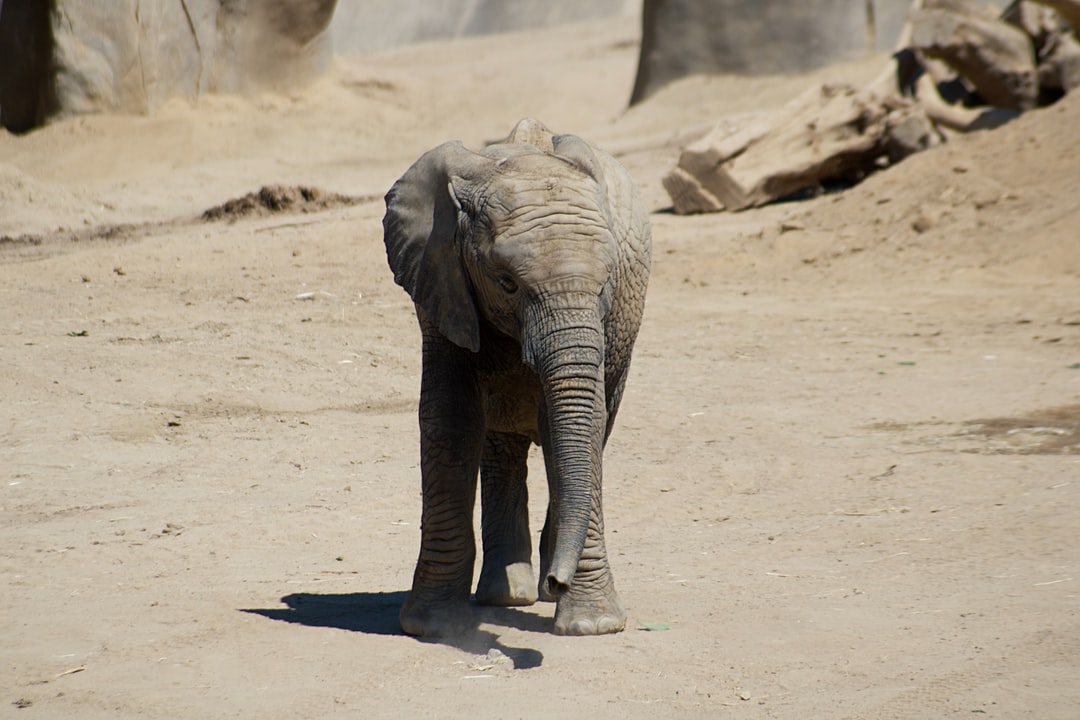
Ethical wildlife tourism focuses on animal welfare, natural behavior, and non-exploitative interactions. Unlike traditional tourism, these experiences do not include forced performances, riding, or unnatural activities.
Key Features of Ethical Wildlife Experiences:
- No riding or forced interaction
- Animals live in natural or semi-natural habitats
- Focus on observation, education, and conservation
- Transparency in animal care practices
Travelers increasingly look for “ethical elephant sanctuaries in India,” “wildlife conservation tours India,” and “responsible elephant safari experiences India” when planning trips.
Ethical tourism ensures that animals are respected even when tourists are not present this is the true benchmark of responsible travel.
You can Check: Elephant Sanctuary Ticket Price
Transparency as the Foundation of Trust
Transparency builds credibility far more effectively than promises alone. Ethical wildlife experiences openly show how animals are fed, cared for, and monitored on a daily basis.
Instead of staged or curated moments, visitors witness real routines and natural behaviors. Caretakers communicate honestly, explaining not just what they do, but also the challenges and limitations involved in animal care.
This level of openness helps travelers feel informed and reassured. It turns curiosity into confidence, allowing them to make thoughtful, responsible choices about the experiences they support.
Why Foreign Tourists Prefer Responsible Wildlife Travel
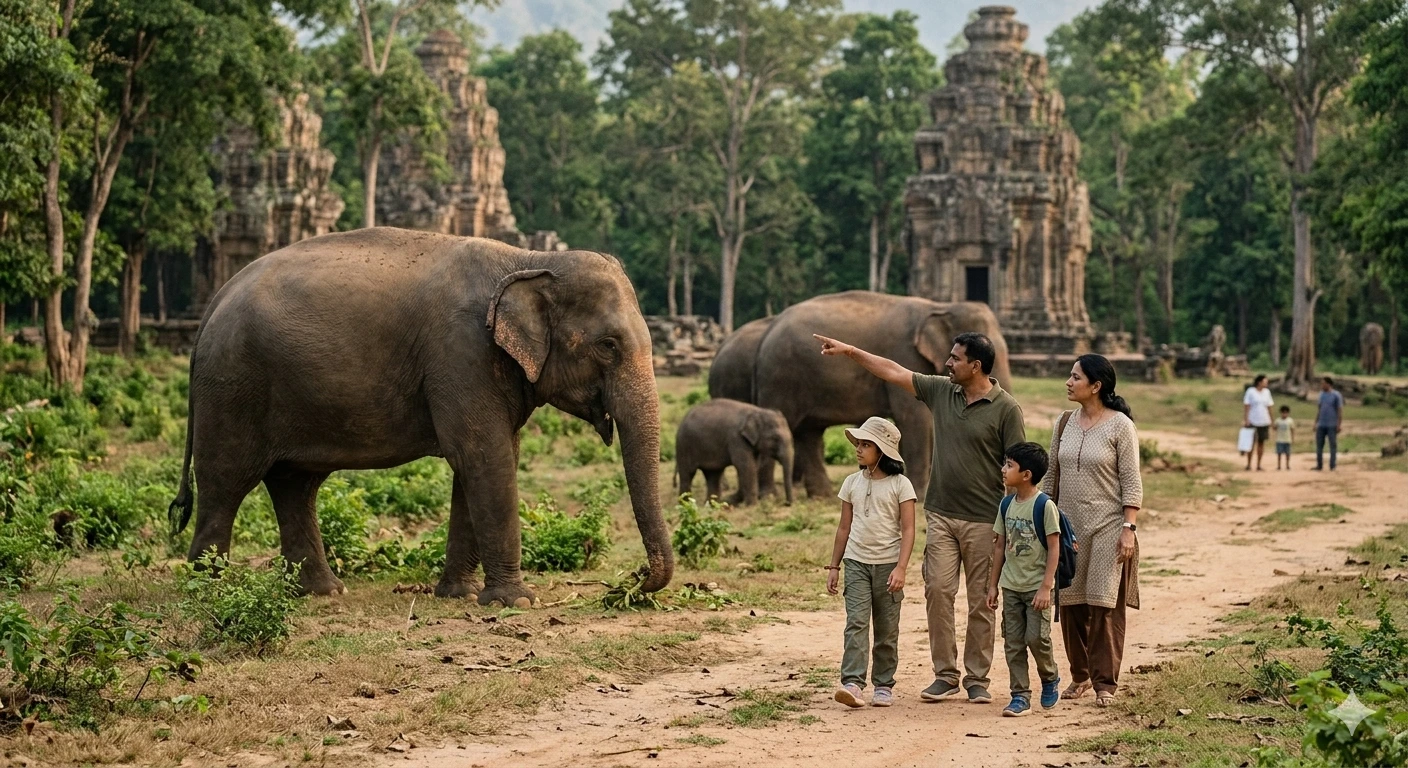
Global awareness about animal cruelty has significantly influenced travel decisions. Many tourists actively avoid experiences like elephant rides or wildlife shows due to concerns about animal welfare.
Ethical wildlife tourism also creates deeper emotional connections. Travelers don’t just see animals they understand them, observe their natural behavior, and leave with meaningful memories.
Why India’s Ethical Wildlife Movement Is Growing
India’s wildlife tourism landscape is undergoing a significant shift. Greater global awareness, stricter welfare standards, and more informed travelers have all contributed to a demand for ethical reform. Today’s tourists actively seek responsible wildlife experiences in India that align with conservation and sustainability.
Many operators are now moving toward conservation-led models that emphasize habitat protection, community participation, and education through real, unscripted encounters. Instead of thrill-based activities, these experiences offer depth—helping travelers understand ecosystems, animal behavior, and local livelihoods.
This shift is positioning India as a strong contender in ethical wildlife tourism, with the potential to set global benchmarks for responsible travel.
Elephants as a Measure of Ethical Standards
Elephants have become a key indicator of whether a wildlife experience is truly ethical. Due to their intelligence, emotional sensitivity, and social nature, any form of mistreatment is often easy to recognize.
Ethical elephant experiences focus on providing spacious environments, freedom of movement, and interactions that are not forced. Activities like riding or performances are excluded, replaced by observation, feeding, or walking alongside elephants in a respectful way.
Foreign tourists are increasingly aware of these distinctions. Signs such as relaxed behavior, social bonding, and natural routines help them quickly identify experiences that prioritize genuine animal welfare.
Wildlife Experiences Rooted in Observation
Observation-based tourism is at the heart of ethical wildlife travel. Instead of controlling or directing animals, visitors are encouraged to watch and learn from a respectful distance.
This approach applies across species—from elephants to birds and other wildlife—and reduces stress on animals while preserving natural behavior. It also creates a more authentic and educational experience for travelers.
For foreign tourists, this style of travel offers something deeper: a chance to connect with wildlife through understanding rather than interaction, making the experience both meaningful and responsible.
Top Ethical Wildlife Experiences in India
1. Ethical Elephant Sanctuaries
Elephants are often at the center of ethical tourism discussions. Many responsible sanctuaries now offer no-ride, no-chain experiences, where visitors can walk alongside elephants, feed them, and observe their natural routines.
These experiences focus on:
- Rescue and rehabilitation
- Natural movement and social behavior
- Visitor education instead of entertainment
Travelers searching for “ethical elephant experiences Jaipur” or “elephant sanctuary India” often choose such places because they prioritize dignity and care.
2. Wildlife Safaris in National Parks
India’s national parks offer some of the most authentic wildlife experiences in the world. Ethical safaris allow tourists to observe animals like tigers, elephants, and deer in their natural habitat without interference.
You can Also Explore: Elephant Safari Booking
Popular options include:
- Jeep safaris with trained guides
- Eco-tourism zones with strict regulations
- Conservation-focused tours
India’s protected reserves also play a critical role in preserving elephant habitats and migration corridors.
3. Bird Watching and Nature-Based Experiences
Birdwatching is one of the most underrated ethical wildlife activities in India. It requires no interference and promotes patience and observation.
Tourists often search:
- “bird watching tours India for foreigners”
- “eco tourism experiences India nature lovers”
These experiences are ideal for travelers seeking peaceful, low-impact interactions with nature.
4. Wildlife Volunteering and Conservation Programs
Many travelers now want to give back through wildlife volunteering in India. These programs allow tourists to participate in conservation activities like habitat restoration, animal care, and awareness programs.
Benefits include:
- Hands-on learning
- Supporting local communities
- Contributing to long-term conservation
Such programs shift tourism from passive observation to active contribution.
Why Foreign Tourists Research More Than Ever
Foreign tourists today rely heavily on research before choosing any wildlife experience. Online reviews, ethical certifications, and real visitor stories play a major role in shaping their decisions.
Experiences that consistently demonstrate ethical care earn stronger trust over time. Positive feedback often highlights calm animal behavior, transparent practices, and respectful visitor interaction. This research-driven mindset encourages operators to maintain high standards, as trust is built through consistent, visible actions—not marketing claims.
Elephant Village Amer’s Role in Building Trust
At Elephant Village Amer, trust is developed through openness, consistency, and a clear focus on animal welfare. Every experience is designed to prioritize the well-being of elephants rather than meeting entertainment-driven expectations.
Visitors are encouraged to observe daily routines, ask questions, and understand the realities of elephant care. This level of access helps guests form informed opinions and engage in a more respectful way.
This approach closely reflects what foreign tourists look for authentic, transparent, and welfare-focused experiences making it easier for them to choose ethical wildlife tourism in India with confidence.
Ethical vs Unethical Wildlife Tourism: What to Avoid
Understanding what to avoid is just as important as knowing what to choose.
Avoid Experiences That Include:
- Elephant riding or performances
- Animals in chains or confined spaces
- Forced interactions for photos
- Overcrowded tourist attractions
Many reports highlight that elephants used in tourism often undergo harsh training and stressful living conditions.
Instead, always choose experiences that emphasize freedom, respect, and natural behavior.
How Ethical Tourism Supports Local Communities
Ethical wildlife tourism doesn’t just protect animals—it also supports people.
Local communities benefit through:
- Employment as guides and caretakers
- Sustainable income sources
- Preservation of traditional knowledge
Travelers searching for “community-based tourism India wildlife” often prefer these experiences because they create a positive social impact alongside conservation.
How to Choose the Best Ethical Wildlife Experience in India
Before booking, ask these questions:
- Are animals free from forced interaction?
- Is riding or performance involved?
- Is the organization transparent about animal care?
- Does it support conservation or local communities?
Reading reviews and researching thoroughly is essential, as modern travelers rely heavily on trust, transparency, and authenticity.
Trust as a Long-Term Relationship
Trust in wildlife tourism doesn’t end when the visit is over—it continues through the stories travelers share afterward. Foreign tourists often leave reviews, recommend experiences to others, and advocate for ethical travel choices within their networks.
This ongoing engagement creates a ripple effect. Ethical wildlife experiences gain visibility through genuine word-of-mouth, helping more travelers make informed decisions. Over time, this builds a cycle where transparency and responsible practices are consistently rewarded.
Why Ethical Wildlife Experiences Shape India’s Image
For many foreign tourists, wildlife encounters play a defining role in how they perceive India. Ethical experiences leave a lasting impression, shaping positive narratives around care, conservation, and cultural responsibility.
When travelers witness respectful treatment of animals and community involvement, it reinforces India’s image as a destination committed to sustainability. These experiences go beyond tourism—they reflect national values and priorities.
As a result, India’s growing focus on ethical wildlife tourism helps attract conscious travelers who seek meaningful, responsible journeys aligned with their values.
Travel Responsibly, Experience Authentically
Ethical wildlife experiences in India are redefining how travelers connect with nature. Instead of entertainment, they offer meaningful, respectful, and educational encounters.
Foreign tourists increasingly trust experiences that prioritize:
- Animal welfare
- Environmental sustainability
- Cultural authenticity
By choosing responsible wildlife tourism, travelers not only create unforgettable memories but also contribute to protecting India’s rich biodiversity for future generations.