
What is the Difference Between Elephant Village Safari Experience and Private Farm Safari?
If you are planning a trip to Jaipur and dream of spending time with elephants, you will likely come across two very different options: an elephant village safari (often an ethical sanctuary) and a private farm safari. At first glance, both offer close encounters with these majestic animals. But the reality of the experience and its impact on elephant welfare could not be more different.
This guide will help you understand:
What is an elephant sanctuary?
Understanding the role of a private farm
Key differences: elephant sanctuary vs private farm
Why Elephant Village Amer is a true sanctuary
Which is better for elephant welfare?
Elephant village safari vs private farm safari – a side-by-side comparison
By the end, you will know exactly which experience to choose for an ethical, memorable, and safe encounter with elephants in Jaipur.
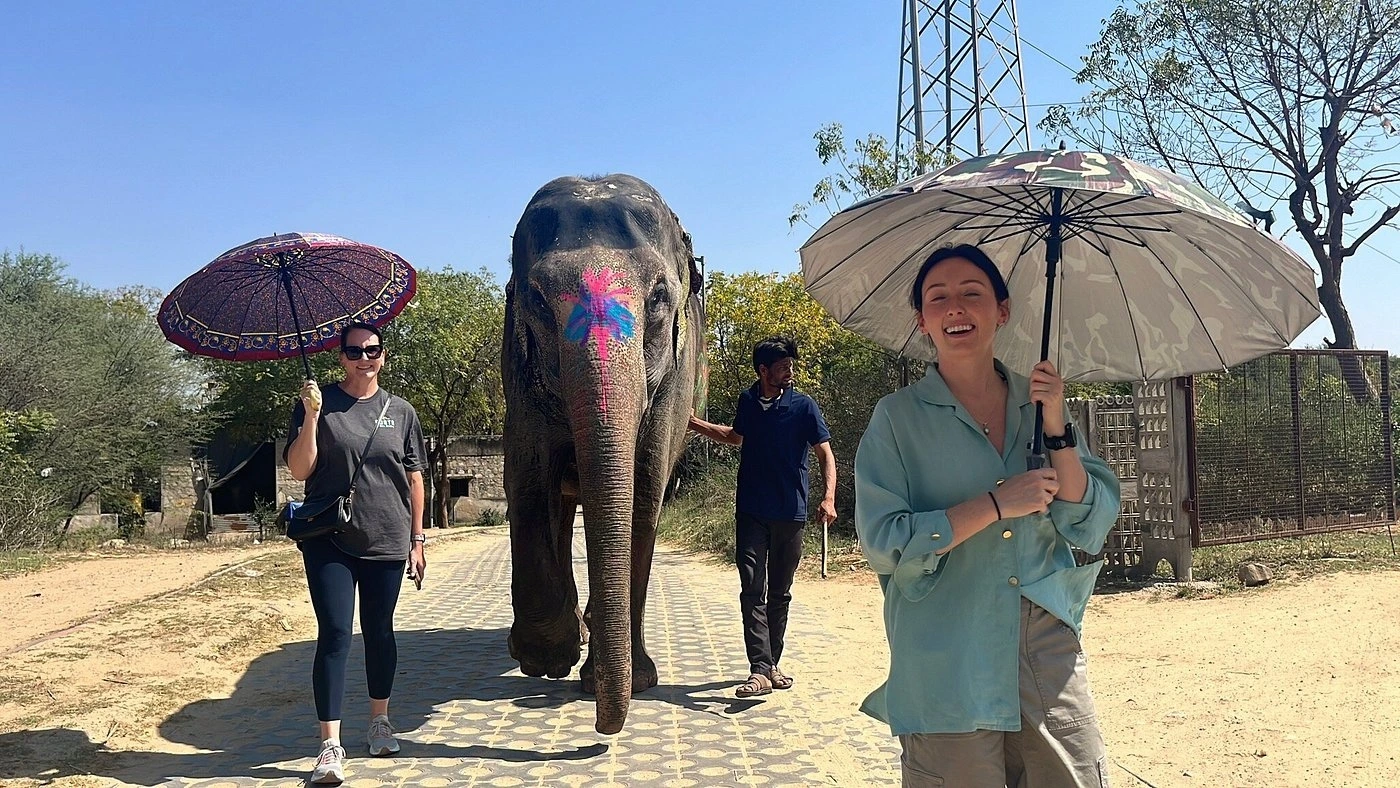
What is an Elephant Sanctuary?
An elephant sanctuary is a protected, ethical space where elephants are rescued, rehabilitated, and allowed to live in a natural environment. Sanctuaries offer elephant safari, or performances. They focus on:
Rescue and rehabilitation – giving elephants a second chance at life
Free movement – elephants roam without chains (except for brief medical or safety situations)
Social bonding – elephants interact naturally with other elephants
Ethical interaction – visitors can feed, walk with, or bathe elephants
Education – visitors learn about elephant behavior, care, and conservation
In Jaipur, Elephant Village Amer is a shining example of a true sanctuary. Unlike commercial farms that treat elephants as entertainment, Elephant Village Amer prioritizes the well-being of its elephants above all else.
Characteristics of a True Elephant Sanctuary
| Feature | True Sanctuary (e.g., Elephant Village Amer) |
|---|---|
| Space | Large, open, natural environment (no cramped enclosures) |
| Chains | Elephants are never kept in chains except for brief medical treatment |
| Interaction | Gentle, respectful, hands-on (feeding, walking, bathing under guidance) |
| Veterinary care | Regular checkups, nutritious diet, rest days |
| Purpose | Rescue, rehabilitation, and lifelong care |
Understanding the Role of a Private Farm (and Private Elephant Riding)
A private farm (sometimes called a "private elephant farm" or "elephant village" but not to be confused with a sanctuary) is typically a commercial operation where elephants are kept for tourist entertainment. These farms often offer private elephant riding, "private farm safari" experiences, and elephant shows.
What Happens at a Private Farm?
Elephants are often chained when not working
Riding is offered – sometimes with heavy howdahs (seats) that injure the elephant's spine
Performances – elephants may be forced to paint, dance, or play football
Limited space – small enclosures with concrete floors, leading to foot and joint problems
Lack of social interaction – elephants are often isolated or kept in unnatural groups
No rest days – elephants are used for multiple rides every day, year-round
What is Private Elephant Riding?
Private elephant riding is an activity offered by many private farms in and around Jaipur. Tourists are taken on a ride (often 2-3 hours) around a small circuit. The elephant may carry a heavy wooden seat (howdah) or be ridden bareback.
Why is elephant riding harmful?
An elephant's spine is not designed to bear weight on its back.
The howdah + two adults can weigh over 250 kg, causing chronic back problems.
The training process to make elephants submissive for riding often involves cruel methods ("phajaan" – the crushing of an elephant's spirit).
Elephants that give rides rarely get proper rest, leading to stress, arthritis, and early death.
Key Differences: Elephant Sanctuary vs Private Farm
Here is a side-by-side comparison to help you distinguish between an ethical elephant sanctuary and a commercial private farm safari.
| Feature | Elephant Sanctuary (True) | Private Farm (Commercial) |
|---|---|---|
| Also known as | Elephant Village Amer, Elephant Sanctuary, ethical elephant park | Private farm, elephant riding farm, "elephant village" (misleading) |
| Chains | ❌ No (except medical) | ✅ Yes – elephants chained when not working |
| Space | Large open fields, natural vegetation | Small enclosures, concrete floors |
| Social interaction | Elephants live in herds, bond naturally | Often isolated or forced pairings |
| Tricks / shows | ❌ No | ✅ Yes – painting, dancing, football |
| Visitor interaction | Feeding, walking, bathing (guided, gentle) | Riding, posing for photos (stressful) |
| Rest days | Yes – elephants rest when tired | No – used daily, especially in peak season |
| Veterinary care | Regular, proactive | Minimal, reactive |
| Purpose | Rescue, rehabilitation, lifelong care | Profit, entertainment |
| Example in Jaipur | Elephant Village Amer | Various private farms near Amer Fort |
Why Elephant Village Amer is a True Sanctuary
Elephant Village Amer is widely recognized as one of India’s most ethical elephant sanctuaries. Located in Jaipur, it offers a completely different experience from the private farms that line the roads to Amer Fort.
What Makes Elephant Village Amer a True Sanctuary?
✅ No Stressful activities – absolutely never offered.
✅ No chains – elephants roam freely in large, open grounds.
✅ No tricks or performances – elephants are not forced to dance, or play games.
✅ Ethical interaction – visitors can feed elephants fresh fruits and vegetables, walk with them, and bathe them in a natural pond always under the gentle guidance of trained mahouts (caretakers).
✅ Rescue and rehabilitation – several elephants at the sanctuary were rescued from begging or private farms.
✅ Regular veterinary care – monthly checkups, nutritious diet, and rest days.
✅ Educational focus – visitors learn about elephant behavior, the harm of riding, and conservation.
What You Can Do at Elephant Village Amer (Ethical Experiences)
| Activity | Description | Ethical? |
|---|---|---|
| Feeding | Hand-feed elephants with fruits and vegetables | ✅ Yes – natural, non-stressful |
| Walking | Walk beside elephants in open fields | ✅ Yes – at their pace, no force |
| Bathing | Help bathe elephants in a pond (elephant chooses to enter) | ✅ Yes – only if the elephant is willing |
| Learning | Listen to mahouts and staff about elephant care | ✅ Yes – educational, respectful |
Elephant Village Safari vs Private Farm Safari: Which is Better for Elephant Welfare?
This is the core question for any compassionate traveler. Let us compare directly.
Elephant Village Safari (Sanctuary Experience)
Duration: 1–2 hours (or longer depending on package)
Activities: Feeding, walking, bathing, learning
Animal welfare: Excellent – elephants are free, rested, and well-cared for
Visitor experience: Meaningful, educational, gentle
Cost: Typically ₹2,500 – ₹4,500 per person (includes activities and sometimes lunch)
Best for: Families, couples, solo travelers who care about ethics
Private Farm Safari (Includes Elephant Riding)
Duration: Often short (2–3 hours ride + brief photo op)
Activities: Elephant riding (sometimes with howdah), photo with elephant, maybe a short feeding
Animal welfare: Poor – elephants are chained, overworked, and stressed
Visitor experience: Superficial, rushed, often tourist‑trappy
Cost: ₹3000 – ₹6,000
Best for: Travelers unaware of the ethical issues or those prioritizing a "thrill ride"
The Verdict
| Criterion | Winner |
|---|---|
| Elephant welfare | ✅ Elephant Village Safari (Sanctuary) |
| Authentic experience | ✅ Elephant Village Safari |
| Educational value | ✅ Elephant Village Safari |
| Highest cost | ❌ Private farm (you get what you pay for – in suffering) |
| Family-friendly | ✅ Elephant Village Safari (children learn empathy) |
Conclusion: For elephant welfare, there is no competition. Choose Elephant Village Amer or another verified ethical sanctuary. Avoid private farms that offer elephant riding.
Why the "Private Farm Safari" Model is Harmful – Detailed Explanation
Private farms often market themselves as "elephant villages" or "elephant safari parks" to confuse tourists. Here is what actually happens behind the scenes:
1. Chaining and Confinement
Elephants are naturally nomadic – they walk up to 50 km a day in the wild. On private farms, they are chained by their front legs for 12–16 hours a day, often on concrete floors. This leads to:
Chronic foot infections (foot rot)
Joint and spinal problems
Psychological distress (stereotypic behaviors like head bobbing, swaying)
2. The Harm of Elephant Riding
The elephant's spine is not designed to carry weight. A howdah (seat) plus two adults can weigh 250–300 kg. Over years, this causes:
Permanent spinal deformity
Arthritis and chronic back pain
Early death (wild elephants live 60–70 years; ridden farm elephants often die in their 30s–40s)
3. The Training Process (Phajaan)
To make an elephant submissive enough for rides or performances, they undergo a brutal training ritual called phajaan (the "crush"). The young elephant is tied down, beaten, stabbed with hooks, and deprived of sleep for days until its spirit is broken. This is not a myth – it is documented by animal welfare organizations worldwide.
4. Lack of Rest and Overwork
Private farms often have only a handful of elephants but serve hundreds of tourists daily. The same elephant may give 10–15 rides per day, 7 days a week, with no rest. Compare this to a sanctuary where elephants decide if they want to interact with visitors.
5. No Retirement
In a private farm, when an elephant is too old or injured to give rides, it is often sold to another farm, a temple begging circuit, or simply left to suffer. There is no "retirement plan." In a true sanctuary, elephants are cared for until they die naturally.
How to Identify a Genuine Elephant Sanctuary in Jaipur (Before You Book)
Many private farms use the words "sanctuary," "village," or "park" in their names to sound ethical. Use this checklist to verify:
| Question to Ask / Check | Genuine Sanctuary | Private Farm (Fake) |
|---|---|---|
| Do they have chains visible? | No (except maybe a temporary chain for medical reasons) | Yes – elephants chained most of the day |
| Can you see the living area? | Large, open, natural ground (dirt, grass) | Small, concrete or muddy enclosure |
| Do elephants have visible wounds or scars? | No | Often yes (ankle chains cause sores) |
| Do mahouts carry bullhooks (ankus)? | Rarely used, and only gently (never hitting) | Yes – used to control and hit elephants |
| Is bathing optional for the elephant? | Yes – elephant can choose not to enter water | No – elephant forced into water for tourist photos |
| Example in Jaipur | Elephant Village Amer | Many farms on the road to Amer Fort |
Elephant Park in Jaipur – Your Best Ethical Options
When searching for an elephant park in jaipur, you will find two types: the fake ones (commercial farms) and the real ones (sanctuaries). Here are the top ethical choices:
Elephant Village Amer – Highly Recommended
Location: Near Amer Fort, Jaipur
Ethical practices: No chains, no tricks. Feeding, walking, painting, bathing under supervision.
Contact: +91 8824802477 | +919079231779
Website: elephantvillageamer.com
Frequently Asked Questions
Q1: What is the difference between elephant village safari experience and private farm safari?
An elephant village safari (when run ethically, like Elephant Village Amer) is a sanctuary experience with no chains, or tricks. A private farm safari typically includes elephant riding, chaining, and forced performances – it is harmful to elephant welfare.
Q2: Which is better for elephant welfare – elephant sanctuary or private farm?
Elephant sanctuary is far better. Private farms exploit elephants for profit, causing physical and psychological suffering.
Q3: What is an elephant sanctuary?
A protected, ethical space where elephants are rescued, rehabilitated, and allowed to live naturally.
Q4: What is the role of a private farm in elephant tourism?
Private farms keep elephants for tourist entertainment (rides, shows, photo ops). They prioritize profit over animal welfare.
Q5: What makes Elephant Village Amer a true sanctuary?
No chains, no performance open spaces, regular vet care, rescue focus, and ethical visitor interactions (feeding, painting, walking, bathing).
Q6: Can I bathe an elephant ethically in Jaipur?
Yes – at true sanctuaries like Elephant Village Amer. Bathing is only done if the elephant willingly enters the water, and under gentle guidance. Never at farms that force elephants into the water for photos.
Q7: Are there any government-certified elephant sanctuaries in Jaipur?
As of 2026, India has no official "government certification" for elephant sanctuaries. However, Elephant Village Amer follows internationally recognized ethical guidelines (similar to Global Federation of Animal Sanctuaries). You can verify their practices by reading detailed visitor reviews and asking direct questions.
Q8: What is the cost difference between elephant village safari and private farm safari?
A private farm ride may cost ₹2500–6000. An ethical sanctuary experience costs ₹2,000–4,500. The extra cost goes directly to elephant care, not to exploitation.
Q9: Can children participate in ethical elephant experiences?
Yes – Elephant Village Amer welcomes children. They learn empathy, respect for animals, and conservation – far more valuable than a ride.
Choose Compassion, Choose Elephant Village Amer
The difference between an elephant village safari (true sanctuary) and a private farm safari (exploitative) is not just about activities, it is about the life and death of a sentient being. Elephants are intelligent, emotional, and social. They feel pain, joy, and grief. They remember kindness and cruelty for decades.
When you visit Jaipur, you have a choice:
Stressful Experience – elephant ride on a private farm, contributing to a lifetime of suffering.
Lifelong memory – a gentle, educational, and joyful encounter at Elephant Village Amer, where you leave knowing you helped, not harmed.
Which is better for elephant welfare? The answer is clear. Book an ethical sanctuary today.
Have you visited Elephant Village Amer or another ethical elephant experience in Jaipur? Share your story in the comments – your experience can guide other travelers.
For more travel inspiration, check out our other tours and guides:
Book Ranthambore Tiger Safari | Nahargarh Biological Park | Jeen Mata Mandir Sikar | Top 10 tourist places in jaipur | Govind Dev Ji Temple | Jaipur to Bhangarh Fort | Jaipur to Salasar Balaji Distance | Jaipur to Khatu Shyam Distance | Mehandipur balaji temple photos | Birla Mandir Jaipur | Amer Lake Boating | Jal Mahal Jaipur | Panna Meena Ka Kund | Jagat Shiromani Temple Amer | Elephant Park Jaipur (Hathi Gaon) | Elephant Safari in Jaipur | Kids Friendly Places to Visit in Jaipur